Ancient Folklore vs. Modern Science: What Kind of Winter to Expect and Will Forecasts Come True
As winter approaches, farmers hope for moisture while an 19th-century calendar predicts a harsh season. However, modern meteorologists forecast a much milder and wetter period due to global climate patterns.
 👥Society
Photo: UNIAN
Key points
- An 1851 Hungarian calendar predicts a dry and cold winter based on Mercury cycles.
- Modern meteorologists forecast a mild and wet winter due to El Niño.
- Mid-November folk signs show no indication of severe prolonged frosts.
With winter just weeks away, agricultural workers and local communities are paying close attention to weather patterns, hoping for adequate precipitation to nourish dry soils. At theავto the same time, historical records and folk calendars offer alternative versions of the upcoming months, capturing public attention. Specifically, an old Hungarian collection known as the 'Centennial Forecaster', published in 1851, relies on astrological planetary cycles to predict seasonal trends.
What the Historical Calendar Predicts
According to this old book, the current period of Mercury, lasting until March 2027, suggests a dry and cold winter. Researchers note that while historical drought forecasts had moderate accuracy, the vast majority of ancient rules work on a purely random basis. The last Mercury winter occurred in 2019–2020, when snow fell almost exclusively in March. Specialists emphasize that the chances of a severe frost based solely on these old texts remain remarkably low.
Modern Meteorological Outlook
In contrast to historical lore, modern meteorologists rely on complex climate models and global phenomena such as the powerful El Niño event. International weather agencies indicate that the upcoming months are likely to bring much milder and wetter conditions rather than extreme, dry freezes. Storms and increased rainfall are expected across parts of Europe, while other global regions might face droughts.
Furthermore, traditional calendar markers for mid-November, such as St. Albert's Day, show no signs of persistent deep freezes this year. Since temperatures remained relatively mild, prolonged extreme cold is unlikely. Consequently, residents can expect standard seasonal variations rather than an anomalous winter.
Source UNIAN — unian.ua/pogoda/news/zima-2026-2027-chi-bude-vona-holodnoyu-i-suhoy… ↗
Read next
 🏙️City
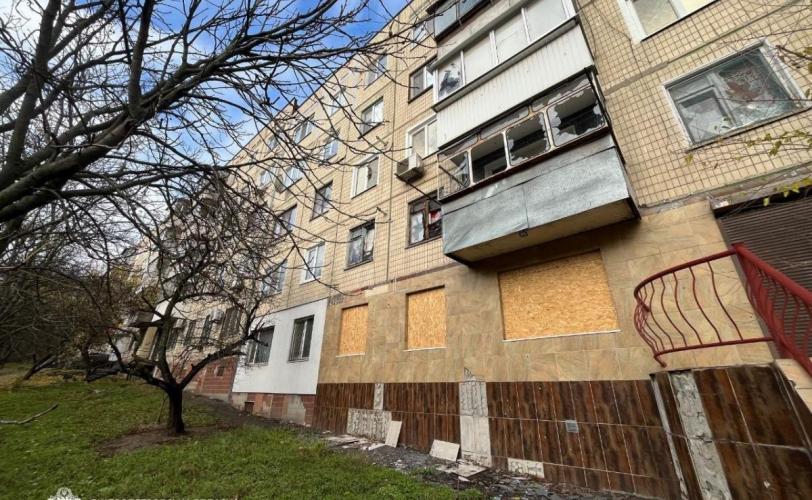
Strike on Dnipropetrovsk Region: Two Residents of Kamianske District Injured
Evening enemy attacks on the Dnipropetrovsk region resulted in destruction and casualties across several districts, including Kamianske.
 🎭Culture & Sport
Dramatic matches and overtime thrillers: how the latest Basketball Superleague round concluded
Sunday, November 22, featured the final matches of the seventh round of the regular Basketball Superleague season. Dnipro clinched a tight victory against Kyiv-Basket, wh…
 🛡️Security
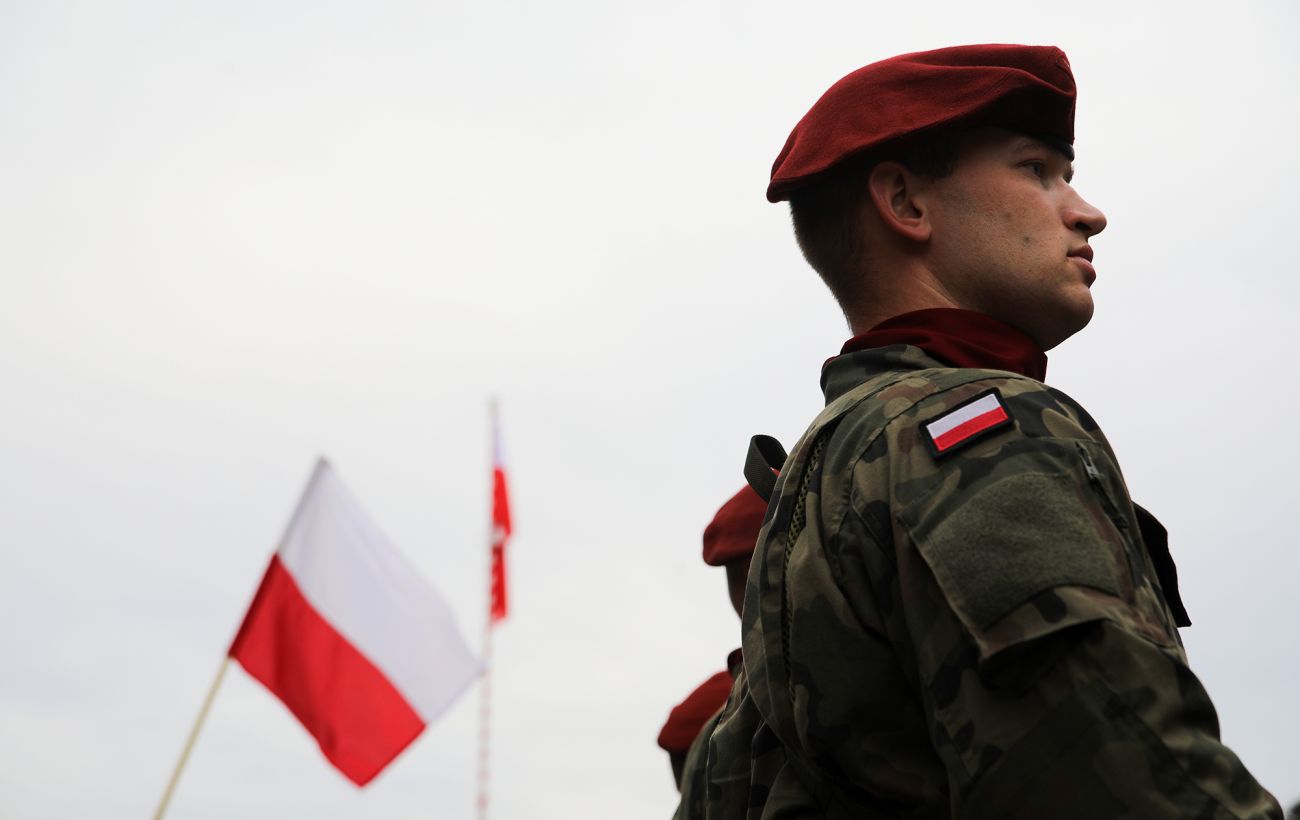
Poland Demands NATO Strengthen Eastern Flank Air Defense Following Missile Incidents
Following the violation of Polish airspace by Russian missiles, Warsaw is convening the North Atlantic Council to discuss security measures.
 🏙️City
Massive Strikes on Dnipropetrovsk Region Energy Sector: Transport Halt and Regional Risks
Due to renewed Russian attacks on energy infrastructure, parts of Dnipro and surrounding areas lost power, halting public transit.
 💼Economy
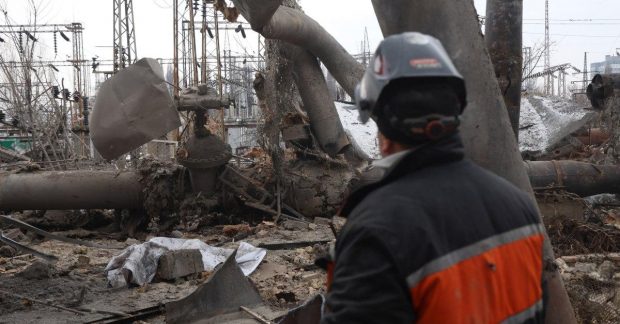
Ukraine's Energy Grid: Military Engineers May Be Engaged in Repairing Damaged Facilities
The government is considering involving military specialists in repairing energy infrastructure damaged by shelling to accelerate restoration works.
 🏙️City
Death toll rises after enemy attack in Kyiv region: Body recovered from under rubble in Dymer
Rescuers have recovered the body of another victim while clearing rubble at a residential building in the Vyshhorod district. Search and operation efforts are complicated…