How Hydration Levels Impact Blood Pressure: Expert Advice for Kamianske Residents
Cardiologists reveal how both dehydration and excessive water intake can destabilize blood pressure, providing specific daily guidelines.
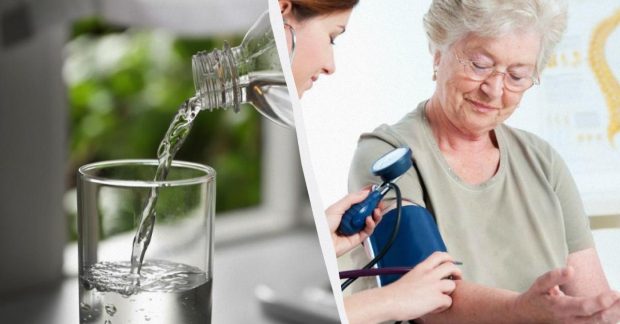 🩺Health
Photo: UNIAN
Key points
- Women should aim for 2.1L of water daily, while men need about 3.1L.
- Dehydration can lead to both low pressure (low volume) and high pressure (vessel constriction).
- Excessive water intake can be risky for patients with heart or kidney conditions.
Maintaining proper hydration is a fundamental yet often overlooked factor in managing blood pressure. Leading cardiologists emphasize that water directly influences the volume of blood circulating in the body, which in turn affects vascular health and overall well-being. For residents of industrial hubs like Kamianske, where cardiovascular health is a priority, understanding these mechanisms is vital for long-term wellness.
Consumption Standards and Biological Mechanisms
Experts recommend that the average woman should consume about 2.1 liters (9 cups) of water daily, while men are advised to drink approximately 3.1 liters (13 cups). However, individual needs vary based on activity levels and health status. Dehydration can be deceptive: as fluid volume drops, blood pressure may plummet, leading to dizziness. Vascular surgeon William Schutze notes: "When the body is dehydrated, blood volume decreases," which causes hypotension.
Conversely, the body may trigger compensatory mechanisms that raise blood pressure. The release of the hormone vasopressin prompts the kidneys to retain water and causes blood vessels to constrict. Thus, a lack of fluid can lead to hypertension. Dr. Ethan Korngold confirms that dehydration is a common underlying cause of elevated blood pressure readings.
Risks of Overhydration and Holistic Health
Excessive water consumption also carries risks. Dr. Korngold warns that too much fluid increases blood volume, putting extra strain on the heart. This is particularly dangerous for the elderly and those with heart or kidney failure. A stable blood volume, maintained by optimal water intake, ensures that pressure remains within a healthy range.
"When the body gets enough fluid, it can maintain a stable blood volume, and blood pressure remains within normal limits," explained cardiologist Tisa Saha.
Specialists stress that drinking water is only one component of a healthy lifestyle. For effective pressure control, the following measures are essential:
- Reducing sodium (salt) intake;
- Regular physical activity;
- Maintaining a healthy weight;
- Limiting alcohol consumption.
Cardiologist Tisa Saha emphasizes that while staying hydrated is a beneficial habit, it does not replace medical treatment or primary prevention strategies. For the Kamianske community, water balance should be seen as a foundational element of health, alongside proper nutrition and regular medical check-ups.
Source UNIAN — unian.ua/health/shcho-bude-yakshcho-piti-duzhe-malo-vodi-kardiologi… ↗
Read next
 💼Economy
Consequences of Russian attack in Kyiv region: death toll in Dymer rises
Rescuers have recovered the eighth body from the rubble of a destroyed building in the village of Dymer.
 👥Society
Conflict at Kyiv Pechersk Lavra: Police launch investigation
A scuffle occurred on the grounds of the Kyiv Pechersk Lavra, with police recording the incident and launching an investigation.
 🚌Transport
Civilian evacuation: ISW analysts explain the difference between Ukrainian and Russian proposals
The Institute for the Study of War has analyzed humanitarian corridor initiatives, explaining why proposals for Kostiantynivka and settlements along the Dnipro differ in …
 💼Economy
Another Attack on Novoshakhtinsk Refinery: Impact on the Russian Fuel Market
On the night of November 23, the Russian Novoshakhtinsk oil refinery was hit by an attack, potentially disrupting fuel supplies for occupation forces.
 🚨Events
Police operation launched in Kharkiv following fatal shooting
A shooting incident in Kharkiv on the evening of November 22 has resulted in a fatality, with police launching a special operation to apprehend the perpetrators.
 🛡️Security
Fresh from the factory: Russian Kh-101 missile debris found in Poland
Debris from Russian cruise missiles manufactured in late 2026 has been discovered in eastern Poland, prompting a response from NATO.