Military Justice Reform: What Discussions on Military Courts Mean for Communities
The "Pryncyp" human rights center analyzed proposals to restore military courts and prosecution, highlighting risks to judicial independence.
 🏙️City
Photo: Ukrainska Pravda
Key points
- "Pryncyp" analyzed initiatives concerning the restoration of military courts.
- Civilian courts have accumulated significant experience handling military-related cases.
- There are distinct risks of command influence if judges are embedded in military ranks.
- Experts recommend specializing civilian judges rather than building a separate court system.
The Debate Surrounding Military Justice in Ukraine
The issue of rebuilding a specialized military justice system has returned to the national agenda amidst ongoing Russian aggression. A temporary special parliamentary commission is reviewing proposals to reinstate military courts, prosecution, and investigative bodies. Proponents of these changes argue that military cases should be handled by individuals with active service experience who understand the specific realities of combat and army life.
However, the "Pryncyp" human rights center warns against hasty decisions, pointing to fundamental contradictions between judicial independence and military hierarchy. Military service relies on single-command and strict subordination, whereas the judiciary requires impartiality and independence. Granting military ranks to judges and subjecting them to disciplinary statutes creates a risk of command influence over judicial decisions.
Practical Challenges and Alternative Solutions for Rights Protection
Past legislative initiatives have frequently targeted the accountability of subordinates while leaving potential abuses by commanders unaddressed. For residents of Kamianske and communities across the country whose relatives serve in the military, ensuring fair and unbiased legal mechanisms is critically important. Protecting service members' rights requires strict adherence to the rule of law rather than hierarchical pressure.
Rather than establishing a separate military court system—which would face severe institutional and staffing hurdles—experts suggest introducing specialization among civilian judges. This approach maintains the high standards of independent justice while accommodating the specific legal nuances of military service through expert consultations when needed.
Source Ukrainska Pravda — pravda.com.ua/news/2026/11/20/8063800/ ↗
Read next
 🎭Culture & Sport
National Guard soldier joins 'The Voice of Ukraine' season 14
National Guard member Taras Redziy successfully passed the blind auditions on the popular vocal show, choosing Natalia Mohylevska's team.
 🩺Health
The Secret to Canned Sardine Benefits: Why You Shouldn't Remove the Bones
Nutritionists explain that the small bones in canned sardines are a valuable source of calcium that consumers often overlook.
 🇺🇦Ukraine
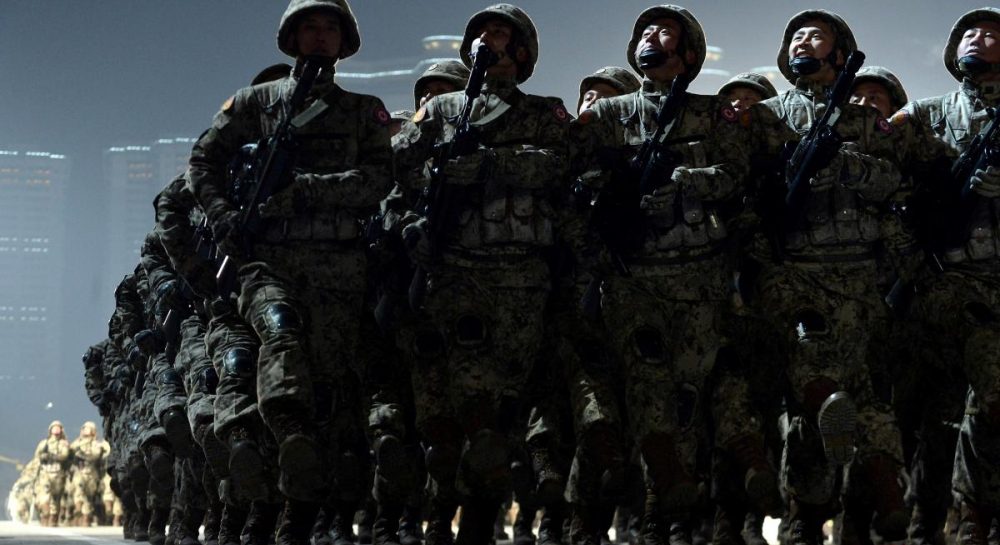
The Economist: Russia, China, Iran, and North Korea are forming an informal 'axis'
A new report from The Economist highlights the growing coordination between four authoritarian regimes, posing a significant challenge to global security.
 🇺🇦Ukraine
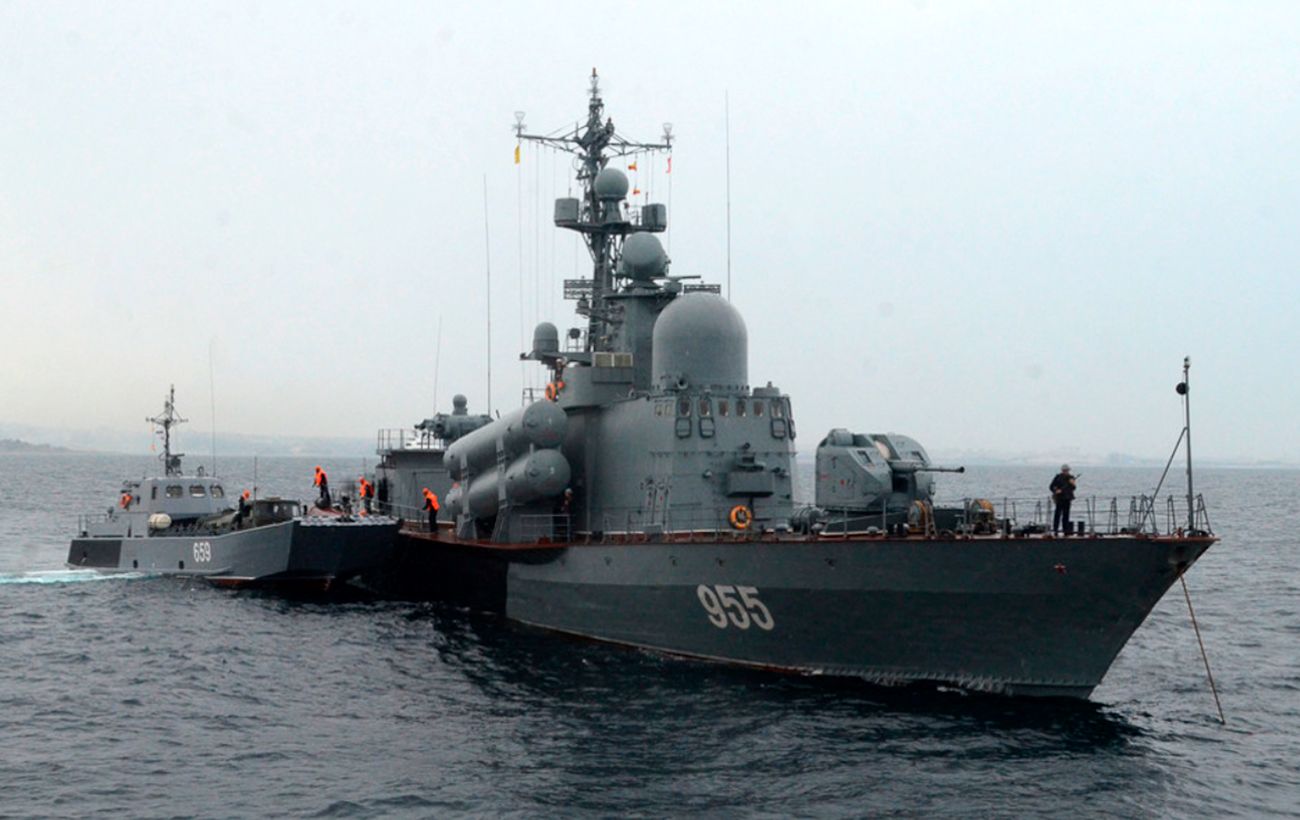
Media report likely damage to Russian corvette 'Mercury' in Libya
A Russian warship sustained significant damage following a sea drone attack at a naval base in Benghazi. International reports link the incident to potential Ukrainian mi…
 🇺🇦Ukraine
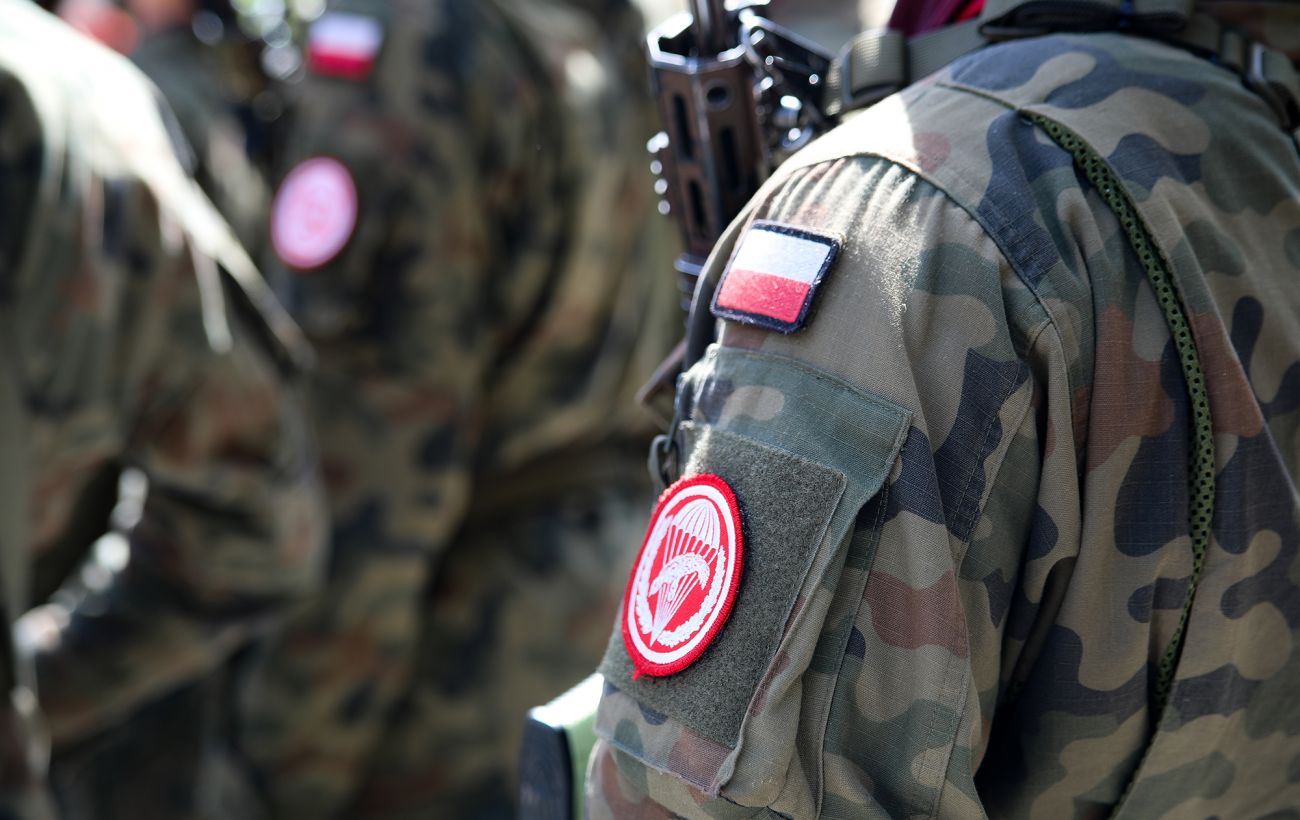
Polish Investigators Reveal New Details on Russian Missiles Violating National Airspace
Polish authorities released interim findings indicating that three Russian Kh-101 cruise missiles breached the country's airspace.
 ⚽Sport
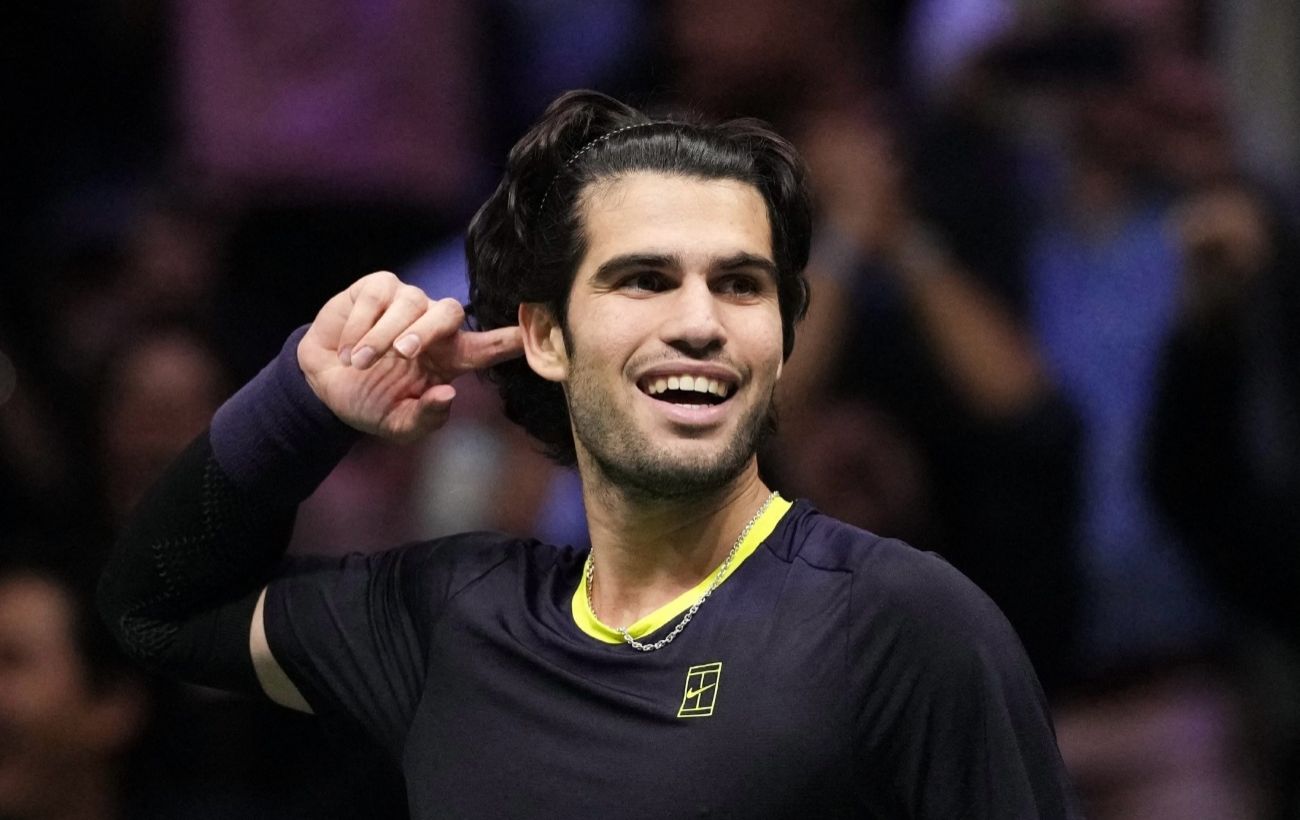
Carlos Alcaraz Claims First ATP Finals Title with Victory Over Alexander Zverev
Spanish tennis star Carlos Alcaraz won his first ATP Finals trophy in Turin, defeating world No. 1 Alexander Zverev in straight sets in the final.